Across New Zealand, business owners are making important decisions about growth, investment, succession and long-term value. Although these themes are common, the conditions shaping them differ by region. A family-owned manufacturer in Southland, a growth business seeking capital in Canterbury and an Auckland owner preparing for succession may face similar questions, but local sector trends, workforce constraints, investor appetite and market conditions will influence the right path forward.
Early access to Deal Advisory services can often prove vital in helping owners and leadership teams understand their options, test assumptions, prepare for change and make informed decisions before a transaction, capital raise or ownership transition is underway.
BDO New Zealand combines national Deal Advisory capability with strong local expertise, supporting businesses with mergers and acquisitions, financial due diligence, valuations, financial modelling, capital raising, succession transactions and strategic growth decisions. In regional markets, that support is grounded in an understanding of the people, industries and communities behind each decision.
We spoke with BDO Deal Advisory leaders from across the country to explore what they are seeing in their local markets, what business owners are asking for help with, and why early, practical advice can create more options for growth, investment and succession.
Northland: Government-led opportunities and values-aligned investment
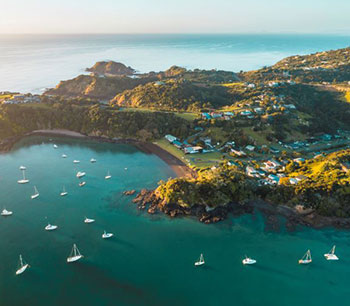 Deal activity in Northland is steady, but much of the opportunity that BDO's National Māori Business Sector Leader, Solomon Dalton, sees is shaped by government funding, public-sector initiatives and the timing of government-led projects.
For iwi and Māori organisations in particular, the Regional Infrastructure Fund (RIF) and opportunities arising through other government agencies have helped bring potential investments to the table. This can make the market more reactive than proactive, with deal flow influenced by policy settings and which initiatives are available at a given time.
“The Northland deals market is steady, but much of the activity we see is shaped by government funding and public-sector opportunities. That means the market can be more reactive than proactive, with deal flow changing as policy settings and funding priorities evolve.” – Solomon Dalton, National Māori Business Sector Leader, BDO Northland - Kerikeri
Property and housing are emerging areas of interest, including opportunities connected with social housing and government divestment. Aquaculture, farming and core infrastructure also offer potential, particularly where local access, assets or rights can help unlock a project. However, the region does not always provide the same depth of conventional investment opportunities found in larger centres, so viable deals may depend on combining government support with private capital or partnership structures to meet funding needs.
For iwi and Māori investors, assessing an opportunity involves more than its financial return. Deal advice needs to consider structure, cash flow, risk and commercial viability alongside whether an investment aligns with the organisation’s values and long-term aspirations. Early due diligence can help decision-makers understand this balance and assess whether an opportunity is both sustainable and strategically appropriate.
“For iwi and Māori organisations, a deal cannot be assessed on financial return alone. We need to understand the structure, cash flow, risk and reward, but also whether the opportunity aligns with the organisation’s values and long-term aspirations.”
Solomon also sees scope for iwi and Māori organisations to collaborate more closely, building collective capability and bargaining power to pursue larger opportunities. Alongside this institutional activity, succession planning remains an important issue for Northland’s smaller businesses as owners consider how to transition or exit long-standing enterprises. Together, these themes point to a deal advisory market where local knowledge, strong relationships and an understanding of both commercial and community outcomes are essential.
Deals market tips for business leaders in Northland
“There is real potential for iwi and Māori organisations across Northland to work together and strengthen their collective bargaining power. Collaboration could help them pursue larger opportunities and make more of the assets, access and capability they already hold.”
For more insights about the Māori Business sector, look out for our 2026 BDO Māori Business Sector Report to be published in November.
Auckland: Preparation becomes the key differentiator
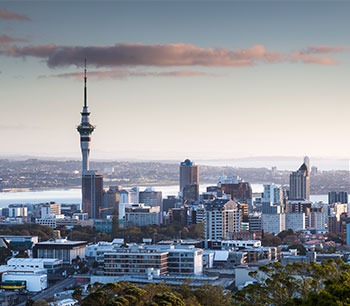 As New Zealand’s largest financial centre, Auckland remains one of the country’s most active deal markets, although economic uncertainty, higher operating costs and slower growth have made decision-making more cautious in 2026.
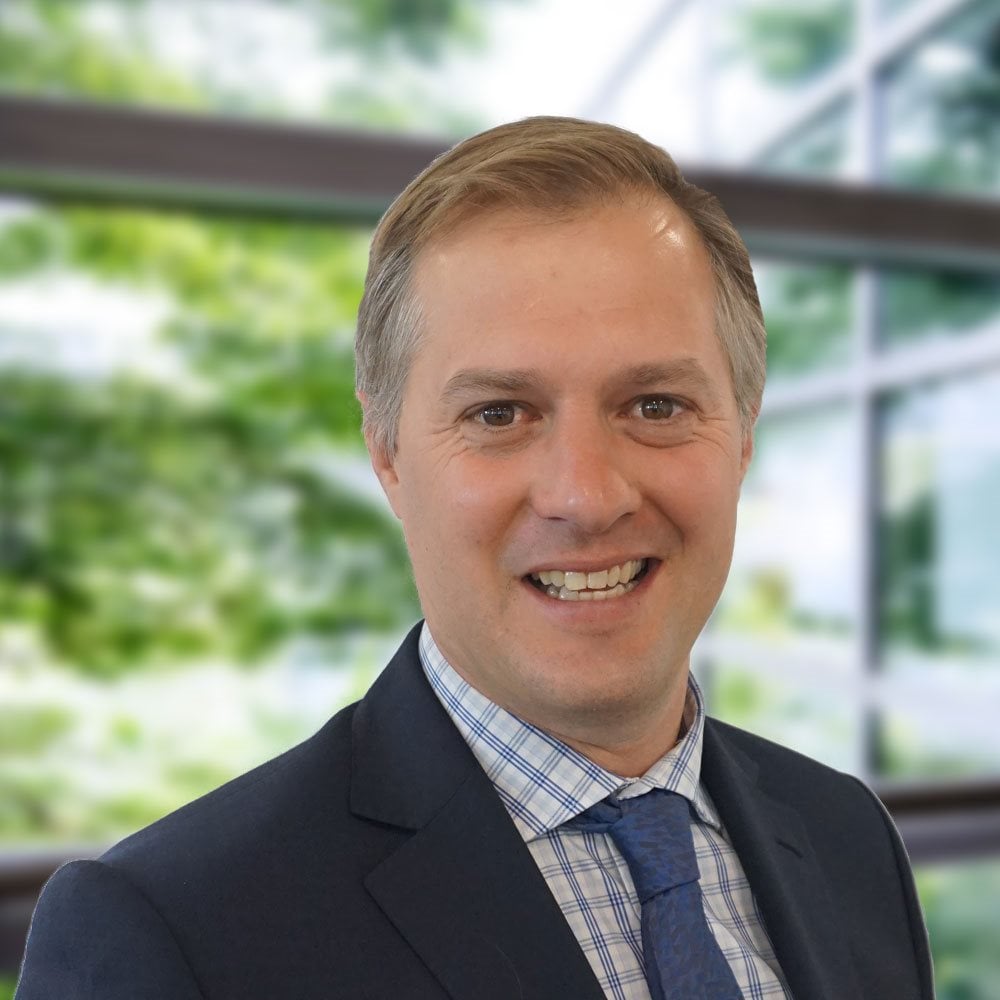
According to BDO’s National Deal Advisory Leader, Daniel Martin, many transactions are taking longer to progress, making realistic timelines and thorough preparation increasingly important.
Even in this environment, however, he explains that several sectors continue to attract interest. Healthcare remains a significant source of transaction activity, while technology, media and telecoms (“TMT”) and Financial Services are drawing demand from strategic buyers and investors. Auckland’s international connections can expose local businesses more directly to changes in global demand and capital markets, but they also support opportunities in renewable energy, waste management and technology-enabled services.
Private equity appetite remains strong, particularly in healthcare and technology, but macro-economic factors are impacting deal flow quality and causing longer completion timeframes as scrutiny increases.
“It has been a quieter market for Private Equity investment. Trading conditions have been challenging with the uncertainty caused by the ongoing Iran conflict, transactions have been taking a long time to close. Looking ahead, we anticipate Private Equity deployment to improve (both for new investments as well as exit of current investments) as trading conditions improve. We also expect health, technology and financial services sectors to remain active in the near term.” – Andrew Beagley, BDO National Private Equity Sector Leader
Daniel explains that owners need robust information, a clear view of buyer expectations and enough time to address issues before going to market. One of the biggest challenges he sees facing business owners is a lack of preparation.
“Many owners know they will eventually need to transact, but too few have invested the time needed to prepare their businesses for sale, whether through strengthening management teams, improving financial reporting, or developing clear succession plans. As a result, pre-sale readiness and vendor assistance work are becoming an increasingly important part of the advisory process.”
Deals market tips for business owners in Auckland
Daniel recommends that business owners consider undertaking a sale-readiness assessment, which can identify gaps in management capability, reporting and succession planning, while helping to sharpen the growth story before buyer due diligence begins. He also suggests that businesses with international customers, suppliers or funding requirements also consider modelling how exchange rates, fuel prices, global demand and offshore investor expectations could affect transaction timing, value and structure.
“The earlier business owners start thinking about succession, leadership capability and what buyers are looking for, the more options they create for themselves when the time comes to sell.”
Christchurch: Long-term businesses, succession pressure and renewed confidence
I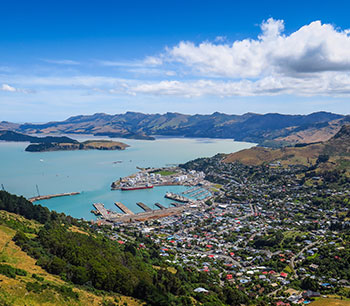 n Christchurch and across the wider South Island, deal activity is being shaped by a slightly different mix of drivers.
BDO Christchurch's Deal Advisory Partner, Andrew Grace and Associate, Ben Keall, explain that the region is less reliant on private equity-led transactions and more heavily influenced by long-established local businesses in sectors that have deep roots across Canterbury and the South Island.
As members of the local business community, Andrew and Ben understand the history, relationships and regional conditions that shape the decisions owners are making.
Andrew explains that agriculture, manufacturing, transport and logistics continue to underpin regional activity, alongside a growing technology and software-as-a-service (SaaS) sector that is attracting investor interest. Many of these businesses are family-owned and have been built over decades, making succession an increasingly important catalyst for owners to assess their options.
“There is a lot of money looking for a home. We’re seeing strong balance sheets in parts of the agricultural sector, farmers looking to diversify through off-farm investments, KiwiSaver providers moving into direct investment, private equity funds still looking for opportunities, and family offices considering where to deploy their capital.” – Andrew Grace, Deal Advisory Partner, BDO Christchurch
That demand creates opportunities for owners who are ready to sell. Andrew says stronger outcomes usually come from preparation that begins well before a business goes to market.
“People should start thinking about selling well before they’re ready to transact. They need to understand the valuation, talk to the right advisers early and work through what needs to be done to maximise value and make the process smoother.”
Key steps include improving reporting and forecasts, reducing reliance on key people, addressing customer or product concentration, documenting contracts and protecting intellectual property. An early valuation can show what the business may be worth today and where focused improvements could build value. Andrew comments that sale preparation is about proactively understanding the business, addressing potential areas of concern, and presenting a clear investment proposition that buyers can readily understand and value.
“We’ve had examples where clients came to us wanting to sell, but the business wasn’t ready. By delaying the process, enhancing the quality of financial reporting and forecasting, and getting the right foundations in place, we've been able to go to market later and achieve a much better outcome.”
Preparation is particularly important when transaction timelines are unpredictable. Ben says that the Christchurch market began 2026 strongly, followed by a quieter second quarter as global uncertainty affected confidence. Activity has since picked up, with many delayed processes returning to “business as usual”.
“Deals are much easier when both sides understand the process and have the right support around them. Good advice doesn’t just help execute the deal – it can add significant value along the way.” – Ben Keall, Associate, BDO Christchurch
Deals market tips for business owners in Christchurch
The outlook is cautiously optimistic for this region, supported by agriculture, recovering tourism, continued construction activity and improving economic conditions. Buyers remain active, but readiness matters: Involving advisers early can reduce friction, keep both parties informed and support a smoother transaction.
Looking ahead, Andrew and Ben suggest that business owners prepare early, understand what drives value in their business, and recognise how market conditions can affect performance are typically in the strongest position when opportunities arise.
Southern Lakes and Central Otago: Supporting growth in fast-growing regions
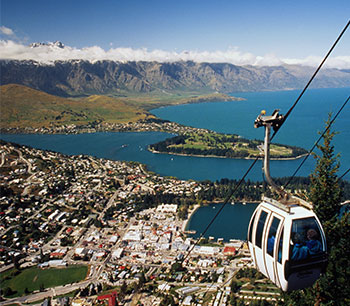 Southern Lakes and Central Otago are among New Zealand’s fastest-growing regions, creating a distinct Deal Advisory environment. While succession and ownership transition are important in many regional markets, BDO Southern Lakes and Central Otago Deal Advisory specialist, Tim Coughlan, says local demand is being driven largely by growth.
"While parts of New Zealand have been navigating a more challenging economic environment, we've continued to see strong levels of activity. Businesses are investing, growing and making decisions about their next stage of development." – Tim Coughlan, Advisory Partner, BDO Southern Lakes and Central Otago
The regional economy spans horticulture, viticulture, farming, tourism, construction and a broad base of small and medium-sized businesses. Much of the advisory demand centres on expansion, capital, cash flow visibility and investment decisions.
"A lot of our advisory work is supporting clients through growth. For many businesses, that means providing cash flow forecasting, debt refinancing support and what is effectively a virtual Chief Financial Officer capability. They may not be large enough to justify those resources internally, but they still need access to sophisticated financial advice to make confident decisions."
The region's growth is being fuelled by several factors. Population growth remains strong, while lifestyle migration continues to attract people from other parts of New Zealand who are seeking to live and invest in the area. Tim says there is also growing interest from overseas investors and applicants under the Active Investor Plus scheme, creating further demand for strategic and financial advice.
"Being on the ground still matters. We understand the local market, the communities and the people. But at the same time, we can draw on specialist expertise from across BDO New Zealand whenever it is needed. That means clients get local support and relationships, backed by national capability."
As a local adviser, Tim sees these growth pressures first-hand and understands how workforce availability, housing, infrastructure and seasonality affect business decisions across the region. Support ranges from day-to-day growth planning to focused due diligence and investment assessments tailored to the scale and risk of the decision.
"We're increasingly helping clients assess acquisition opportunities and potential investments through focused due diligence reviews. Sometimes a client doesn't need a large, complex report. They need an experienced adviser to help identify key risks, ask the right questions and support their decision-making. Local knowledge builds trust. When you combine that with the specialist expertise available across our national network, you can deliver advice that is both practical and highly effective."
Deals market tips for business owners in Southern Lakes & Central Otago
As the immediate priorities for business owners in Southern Lakes and Central Otago, are largely growth-related, Tim explains that rolling cash flow forecasts could improve visibility, and testing funding capacity before expansion can reduce risk for business owners. Additionally, focused due diligence could also help owners assess property, tourism, horticulture and other local investment opportunities. Given ongoing pressure on people and infrastructure, he also recommends that financial plans account for workforce availability, housing, capacity constraints and seasonality.
Southland: Building value in a changing regional economy
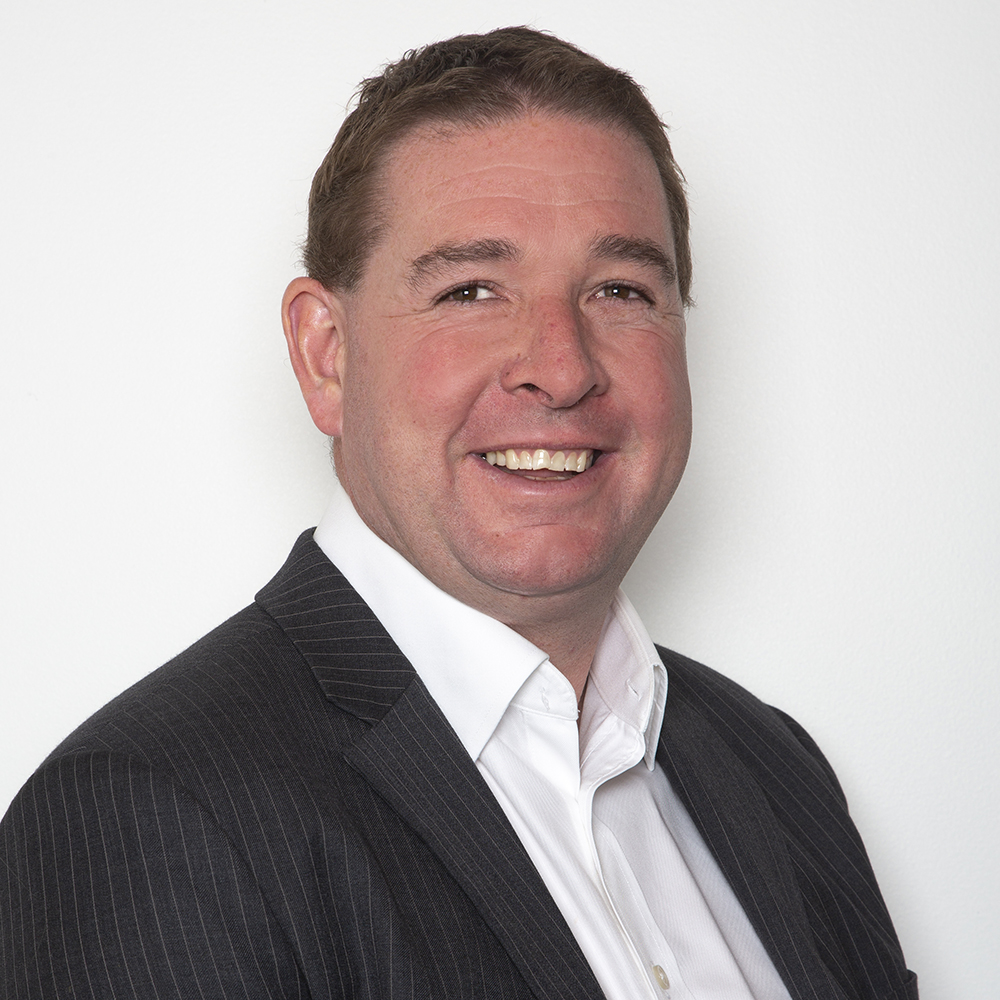
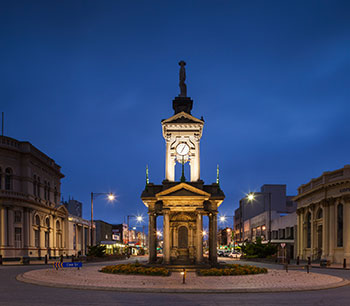 Southland’s Deal Advisory market spans long-standing family businesses, growth companies, early-stage investments and a small number of larger organisations. BDO Invercargill Deal Advisory Partner, Mike Wyeth, says specialist advice can help owners understand value and assess their options well before a transaction, investment decision or succession event.
“Deal Advisory is not simply about valuing or selling a business. It is about helping owners understand what drives value in their business, what the next five or ten years could look like, and building a strategy that positions them to make the most of the opportunities ahead.” – Mike Wyeth, Deal Advisory Partner, BDO Invercargill
Agriculture remains a major economic driver for the region, with strong dairy returns benefiting adjacent industries such as manufacturing and engineering. At the same time, investment in digital infrastructure, international connectivity, renewable energy and aquaculture is creating new opportunities for businesses and landowners, including solar developments and productive uses for underutilised land.
“The next two to three years could be transformational for the region. Investment in digital infrastructure, improved international connectivity, renewable energy and aquaculture are creating opportunities, but the region will also need the people and housing capacity to support that growth.”
Mike suggests that businesses considering expansion or seeking investment take some time to test how much to invest, when to proceed, how growth will be funded and whether the expected return justifies the risk. Financial modelling and scenario analysis can support these decisions, while credible forecasts, clear capital requirements, organised due diligence material and appropriate ownership structures can improve investor readiness.
Although Southland is a smaller market, Mike explains that business owners face decisions as complex as those in larger centres. As a Southland local and an active member of the regional business community, Mike understands both the opportunities emerging across the region and the practical challenges owners face in pursuing them.
"Business owners shouldn't have to leave the region to access high-quality advice. We can provide specialist support locally while drawing on national and global expertise across transactions, valuations, modelling, capital raising and strategic projects when required."
Deals market tips for Southland business owners
Mike suggests a practical starting point is to model how emerging opportunities in energy, aquaculture, data, agriculture and infrastructure could affect demand, capital requirements and workforce needs.
“Businesses seeking investment should develop credible forecasts, clear governance and well-organised due diligence information. Established family businesses should begin ownership and leadership discussions before succession becomes urgent.”
Different regions, locally grounded support
The opportunities and pressures facing business owners differ across New Zealand. Auckland’s larger, internationally connected market places a premium on preparation and a credible growth story. Canterbury and the wider South Island combine succession in long-established businesses with capital seeking quality investments. Southern Lakes and Central Otago are navigating rapid growth, funding needs and capacity constraints, while Southland is assessing how established industries and emerging energy, aquaculture and infrastructure opportunities could reshape its economy.
BDO helps business owners respond to these different conditions by combining national Deal Advisory capability with people who live and work in the regions they serve. Local teams understand regional industries, relationships and commercial realities, and can draw on specialists across BDO New Zealand for valuations, financial modelling, due diligence, mergers and acquisitions, capital raising, tax and succession support. Business owners gain access to the right expertise while retaining advice grounded in their local market.
How BDO's Deal Advisory team can help
Whether you are preparing for growth, considering a sale or acquisition, raising capital or planning succession, early advice can help you understand your options, identify risks and make confident decisions.
Our Deal Advisory team can help you:
- Understand value – through business valuations, financial modelling and scenario analysis.
- Prepare for a transaction – including sale readiness, acquisitions, mergers, management buyouts and divestments.
- Make informed decisions – with financial due diligence, transaction support and independent advice.
- Plan for growth or succession – by identifying risks, opportunities and actions that can strengthen value over time.
- Structure the deal effectively – with support on the tax implications of a sale, acquisition, capital raise or ownership transition.
For more help, reach out to your local BDO adviser today.