

Solomon Dalton
Partner, National Māori Business Sector Leader

Kia ora koutou
Our BDO Pakihi Māori team are often inspired by the mahi shown by Māori business leaders. Financially, times are challenging, which is why it's important for Māori business leaders to look beyond the numbers, stay across the common issues in their sector and understand that they're not alone in finding solutions. And that's where our annual survey comes in - BDO Pūrongo Pakihi Māori - the BDO Māori Business Sector Report.
The 2025 BDO Māori Business Sector Report is our seventh edition, based on survey responses from over 290 Māori business leaders across Aotearoa during September and October 2025. Importantly, it explores the challenges and opportunities facing Māori business leaders and how they might navigate these.
While BDO Pūrongo Pakihi Māori highlights that there are a wide range of issues impacting Māori businesses across different sectors, geographies, business sizes and markets, our report highlights four key themes:
The Māori business sector occupies a unique space in the New Zealand business sector, but is one that is not commonly researched or well understood. I trust our report helps shine a light on ideas and opportunities to help you take the next step towards your business goals. Sometimes the first step is the most important.
Ngā mihi,
Solomon Dalton
BDO National Māori Business Sector Leader

Watch our video below to learn more about the challenges and opportunities facing Māori business leaders currently - and get practical tips to help navigate the current conditions. Journalist Mike McRoberts joins Solomon Dalton, BDO Māori Business Sector Leader, for a kōrero.
The 2025 report reveals that Māori business leaders hold a more positive outlook than those operating within most NZ sectors. 64% of Māori business leaders are positive about their current overall business performance, second only to business leaders in the agriculture sector on 74%.
Sector business performance sentiment at a glance
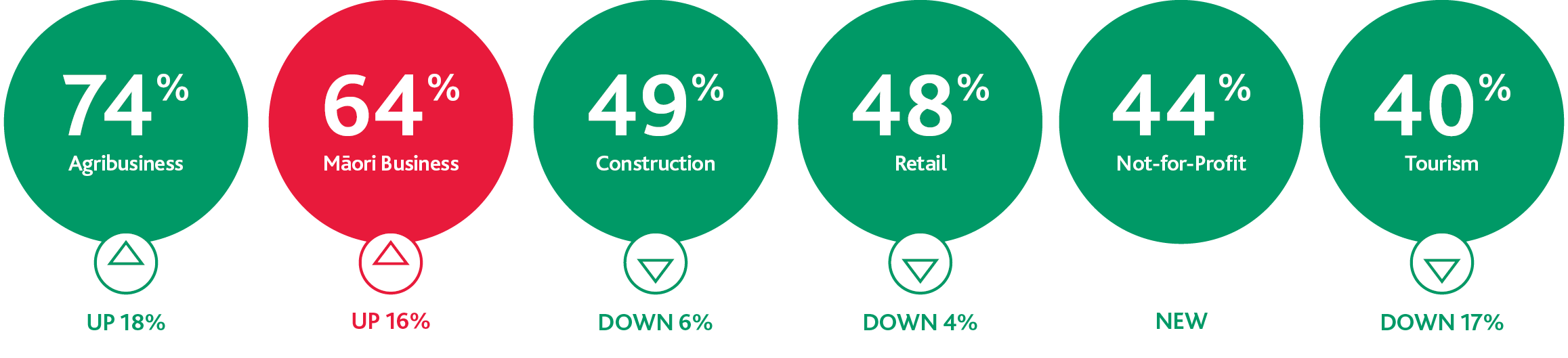 % Feeling positive (all or most of the time) about overall business performance in the past two weeks.
Data compared to October 2024 survey.
This result contrasts strongly with the 2024 report where 48% of Māori business leaders were feeling positive about their overall business performance - the lowest score for this metric since we started measuring it in 2022.
Māori business leaders often show a correlation with agribusiness leader sentiment trends in BDO research, likely due to their connection to aligned industries and regional economies vested in agriculture, horticulture, fisheries and forestry. Their strong shared business performance sentiment in this survey comes off the back of recent favourable revenue from dairy, sheep & beef and kiwifruit produce – coupled with the lower NZ Dollar and interest rates.
This strong relative positivity about business performance can also likely be attributed to the significant growth of the Māori economy in recent years, as highlighted in "Te Ōhanga Māori 2023" (released March 2025), which provides a detailed analysis of the Māori economy based on census data. This report, a collaboration between the Ministry of Business, Innovation & Employment (MBIE) and Business and Economic Research Ltd (BERL), reveals that the Māori economy has almost doubled its contribution to New Zealand’s GDP, growing from $17 billion in 2018 to $32 billion in 2023. The total asset base of the Māori economy grew by 83% over the same period, from $69 billion in 2018 to $126 billion in 2023. Much of this growth will likely have stemmed from Iwi investing in and growing their commercial interests. Diversification has also been evident, with much growth being driven by administrative, support, and professional services, over the traditional main contributors; agriculture, forestry, and fishing. In line with this, Te Ōhanga Māori 2023 highlights that for the first time, more Māori are in high-skilled jobs (46%) than low-skilled jobs (40%).
Further evidencing this recent growth in the Māori economy, BDO Pūrongo Pakihi Māori reveals 54% of Māori business leaders have experienced average annual growth in turnover (gross revenue) of 50% or more over the past three years. Additionally, during the same period, 55% have experienced average annual net profit growth of 50% or more.

Looking ahead, 71% of Māori business leaders expect to be positive about their overall business performance in six months’ time, also higher than the sentiment shown by business leaders operating in most sectors.
However, those Māori business leaders operating beyond the primary industry continue to find business conditions challenging. This is illustrated by the recent release of GDP data for the June quarter. For the year ended June 2025, the agriculture, forestry and fishing industries grew by 2% year on year. By contrast the New Zealand economy as a whole decreased by 1.1% year on year. High inflation, reduced discretionary household spending and public sector expenditure in areas such as housing, have flow-on affects to Māori businesses operating in retail, tourism, hospitality and construction sectors.
With the primary industry continuing to face more favourable business conditions, supported by the expected shareholder payouts to Fonterra shareholders (mid-2026) totalling an estimated $3.2 billion, prospects of a regional-led economic recovery are growing. This means Māori businesses operating in regional centres, are likely to see more promising economic conditions ahead of their urban whanau, regardless of the sector they operate in.
“Urban Māori business leaders in the retail sector and trades appear to have been the hardest hit by cost-of-living challenges. While we’re starting to see some quiet signs of growing business confidence, continued cash flow challenges are hindering their ability to invest in the people and resources they need to grow revenue streams.” - Lisa Davis, CEO Ngati Whatua Orakei Trust.
Businesses are also experiencing increasing cost pressures, regardless of the sector they operate in. NZIER’s QSBO (Quarterly Survey of Business Opinion) showed a net 45% of businesses experiencing increased costs in the September Quarter.
Business performance metrics Māori business leaders feel least positive about
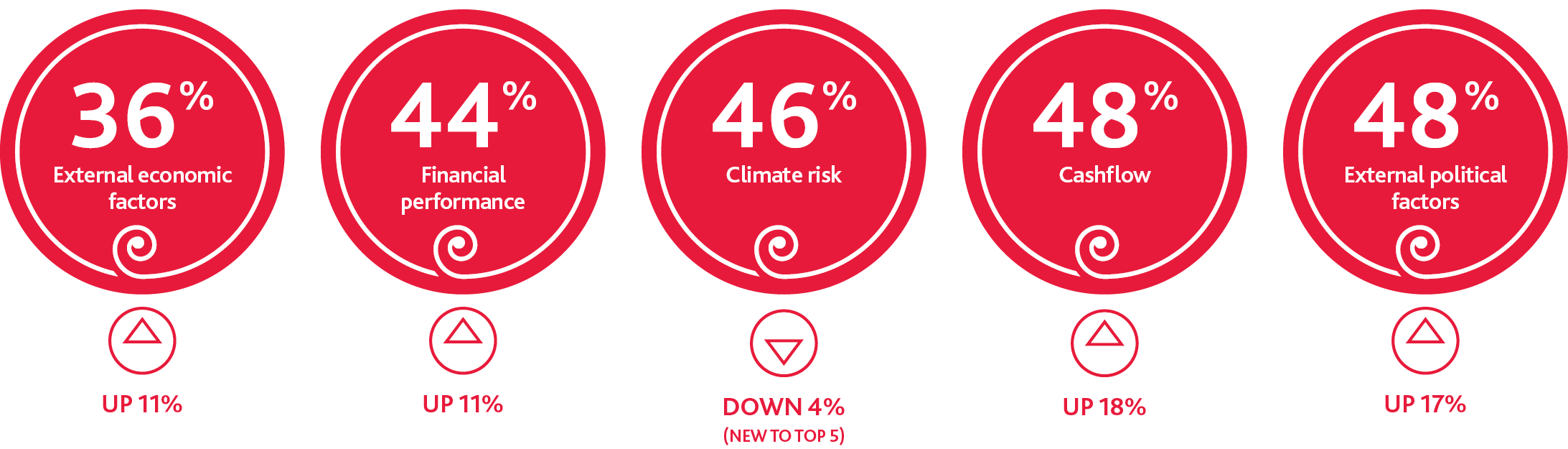
Five lowest scoring attributes. % Feeling positive (last 2 weeks) about overall business performance all or most of the time.
Data compared to October 2024 survey.
Given the challenging economic conditions facing the wider sector as highlighted in the BDO Business Performance Index, it’s not surprising to see economic, financial (including cash flow) and political factors dominate the top five issues for Māori business leaders – comprising the factors which they feel least positive about.
Managing these financial and economic pressures can present a challenge for Māori business leaders, who tend to be more comfortable working toward long-term visions and goals. When the economy is sluggish and financial pressures take hold, it becomes essential for pakihi Māori to focus more on their short-term financial and performance benchmarks. Without short term financial viability, there risks being no longer term interests to plan towards.
“Managing cash flow remains a key priority for Māori business leaders, however we’re seeing cautious optimism about the future. What will be key over the next six months is more certainty around economic conditions in helping unlock potential business growth by encouraging more Māori business leaders to invest in their people and resources – helping stimulate the wider economy.” – Solomon Dalton, BDO National Māori Business Sector Leader.
Many Māori businesses are deeply invested in their communities – often acting as significant employers of local resource and even their own whanau. This can create additional pressures when there is a sense of expectation and responsibility for Māori businesses to both recruit and retain employees, despite the lack of commercial viability.
Business performance sentiment: Current vs future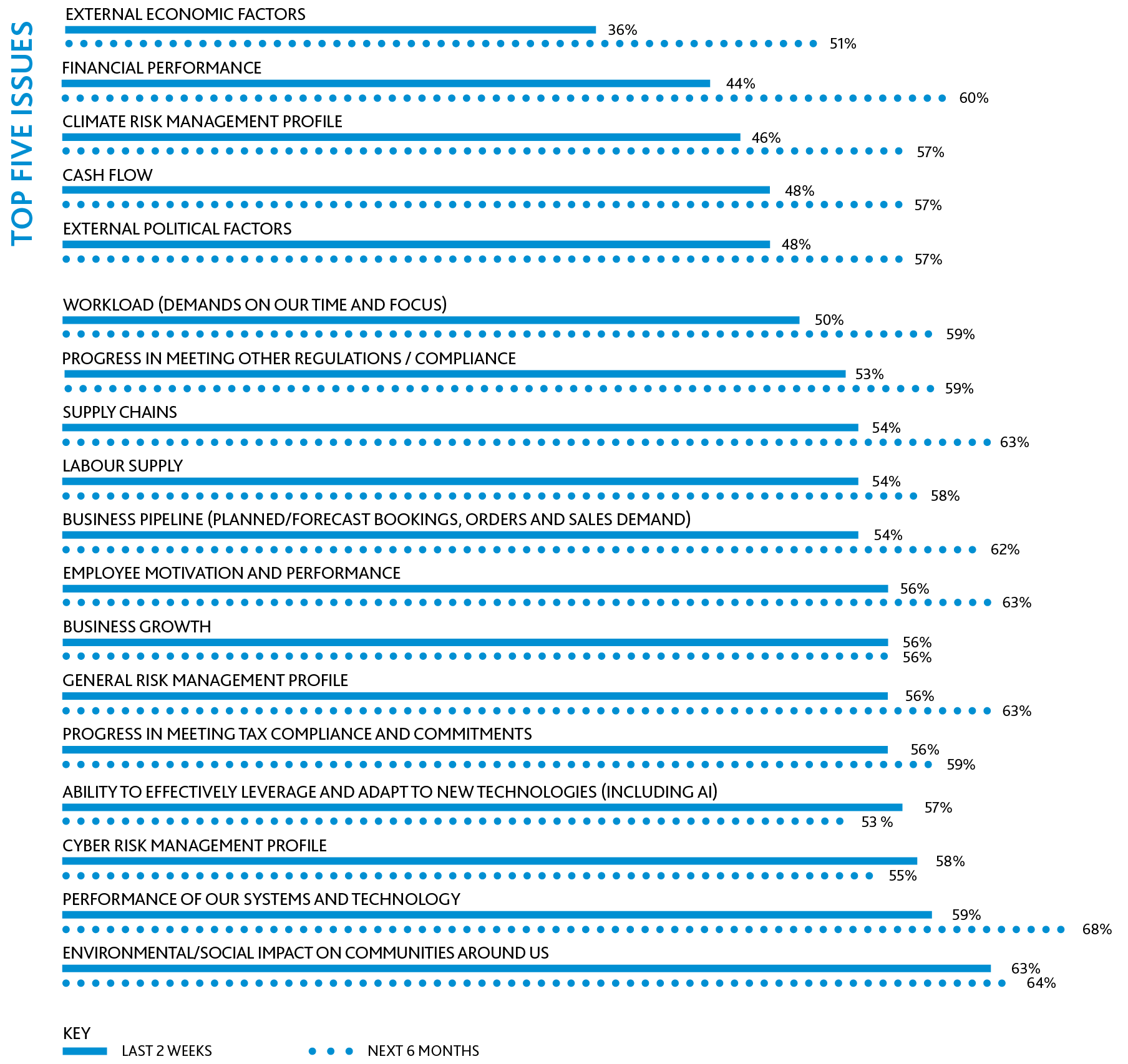
% Feeling positive (all or most of the time) about overall business performance in the past two weeks.
Previous editions of the BDO Māori Business Sector Report have highlighted the propensity for Māori business leaders to take a longer term view of their business goals. Continuing this sentiment, 25% of Māori business leaders look at least six years ahead in their business planning, despite the challenging current economic environment.
The sense of climate responsibility remains strong, supporting the value placed by Māori business leaders on people, planet and profit. Significantly, climate risk management now features in the five issues which Māori business leaders are least positive about – the only non-economic, financial and political factor to rank here. This sentiment may be further fuelled by alignment with the primary industry where climate change presents sizeable risk.
Looking at the business factors which Māori business leaders are most positive about, environmental and social impact on their communities, along with systems, technology and AI dominate the top five.
“Our BDO Pakihi Māori team are seeing a growing adoption of solar technology and the transitioning of business fleets to EV vehicles, not only bringing cost efficiencies for Māori businesses but also supporting their climate responsibilities.” – Solomon Dalton, BDO National Māori Business Sector Leader.
Business performance metrics Māori business leaders feel most positive about
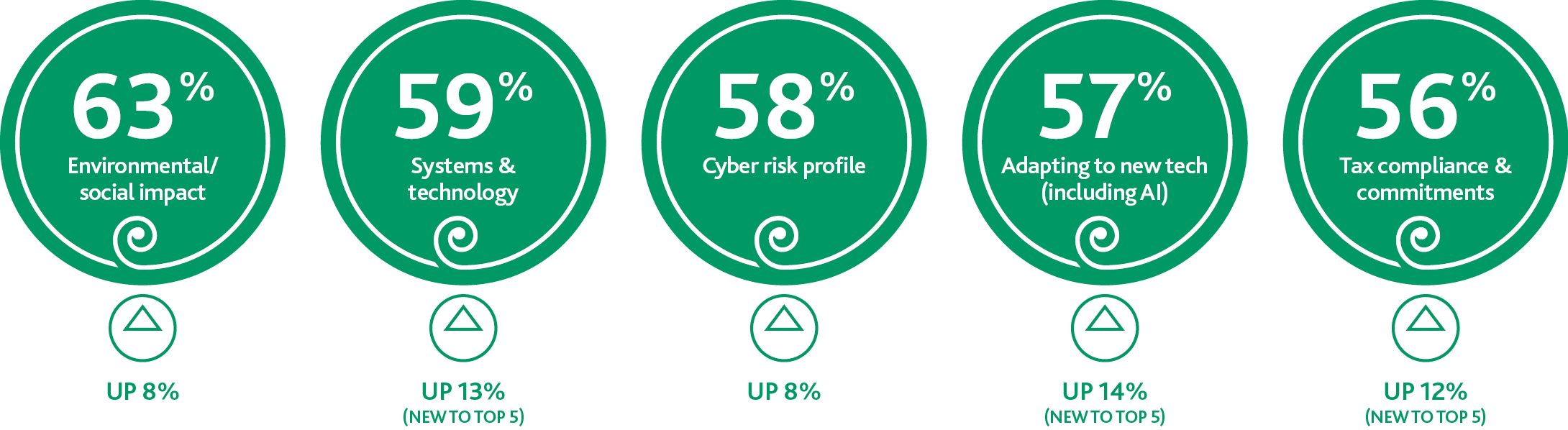
Five highest scoring attributes. % Feeling positive (last 2 weeks) about overall business performance all or most of the time.
Data compared to October 2024 survey.
Māori business leaders are also expanding their horizons, adopting AI as a means of streamlining their work and the workload. It presents a cost-effective measure to reduce the workload they have on themselves and also cover some of the staffing issues that they may face.
“Aside from the operational efficiencies, AI presents further opportunities for our Māori business leaders to focus on the matters which are core to their purpose, including their people and their culture.” – Solomon Dalton, BDO National Māori Business Sector Leader.
Community engagement was a top five measure of success for Māori business leaders in our 2024 report – reflecting the value placed on reconnecting with whanau and restoring social connection following COVID-19.
Top five measures of success for Māori business leaders
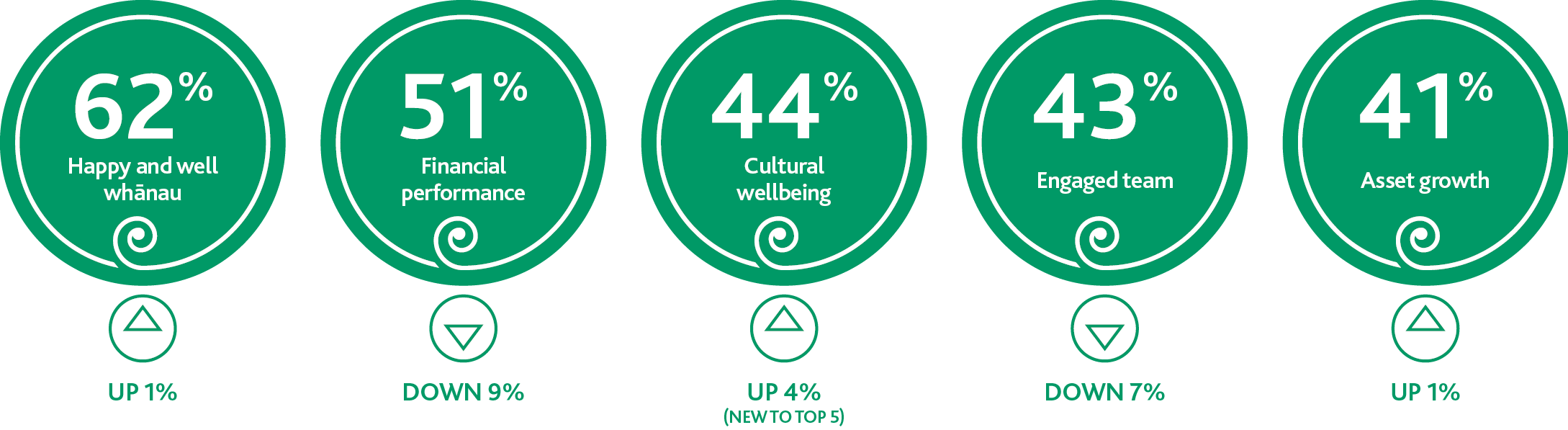
Our latest report shows this now being replaced by cultural wellbeing, highlighting the broader resurgence among Māori in reclaiming their culture has now extended into the business sector. Against a backdrop of economic uncertainty, this presents an important means for Māori business leaders to both establish a point of difference in the market, while helping uplift mana and strengthen personal wellbeing. With many Māori businesses being employers and places of work for fellow whanau, the sense of responsibility to maintain focus on important cultural traditions in day to day business life can be further heightened.
“While business conditions remain challenging for many pakihi Māori, it’s inspiring to witness te ao Māori standing tall as a core measure of success for Māori business leaders. From te reo Māori (the Māori language), tikanga (customs and protocols) such as maramataka (moon phases), and mātauranga Māori (Māori knowledge) to more extensive use of karakia and mokopapa, our BDO Pakihi Māori team are sensing a resurgent pride in integrating Māori culture and traditions into business practices. This helps foster an increased sense of cultural wellbeing among employees, a heightened employee value proposition to attract new talent, as well as a powerful means of differentiating their business in competitive markets.” – Solomon Dalton, BDO National Māori Business Sector Leader.
Interestingly, the growing adoption of Artificial Intelligence (AI) among Māori businesses is creating further capacity for Māori business leaders and their employees to give focus to these important aspects - their people and culture - offering more meaning in their work. As experience and understanding of the technology grows among pakihi Māori, more administrative and operational tasks are being streamlined, building process, time and cost efficiencies.
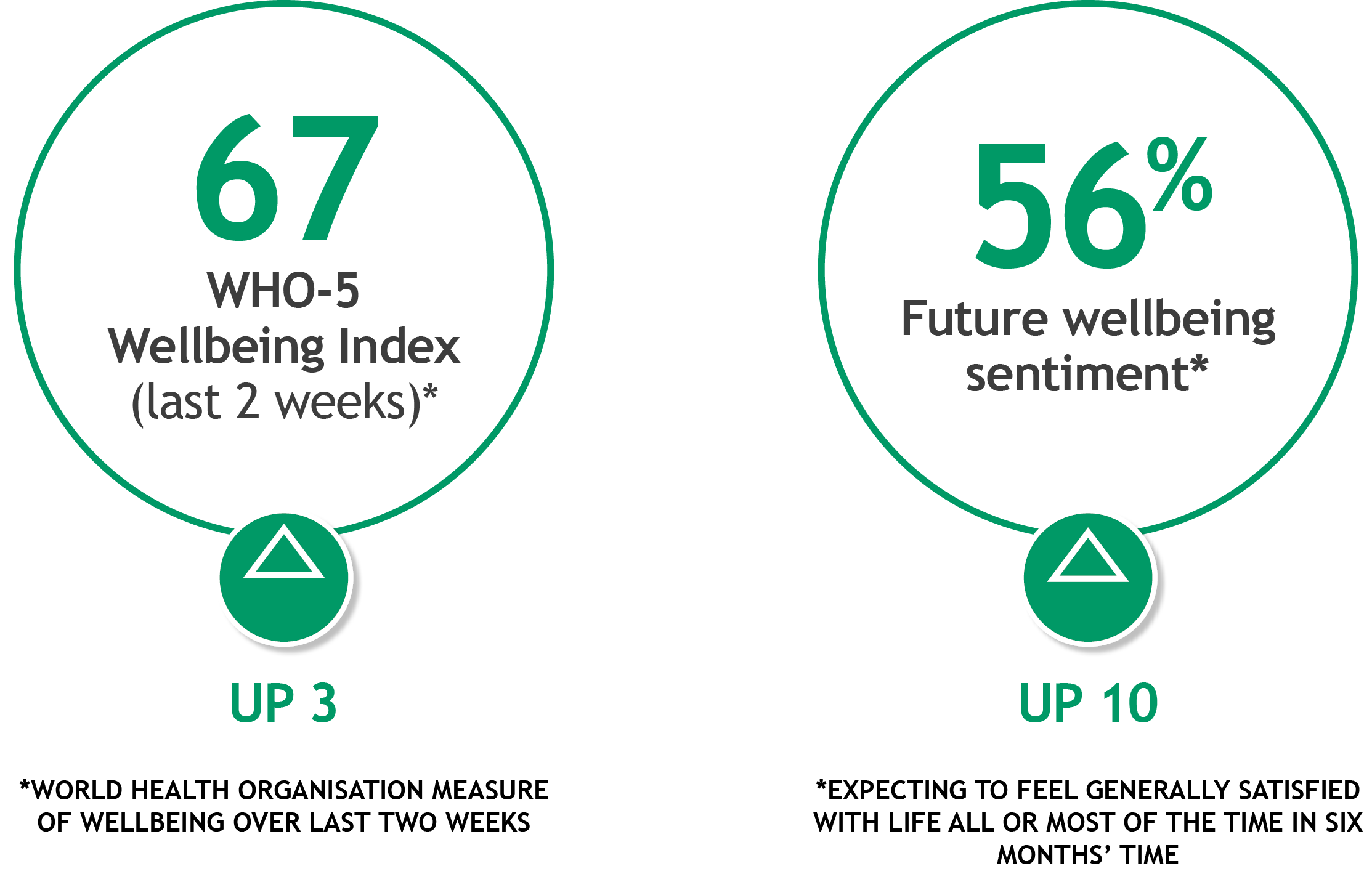
As business performance sentiments have improved for Māori business leaders, so too has their mental wellbeing. The WHO-5 score (the World Health Organisation's internationally recognised measure of wellbeing over the past two weeks) for Māori business leaders has improved from 64 in 2024 to 68 in our most recent survey. Their outlook over the next six months indicates they expect to retain their level of wellbeing into 2026.
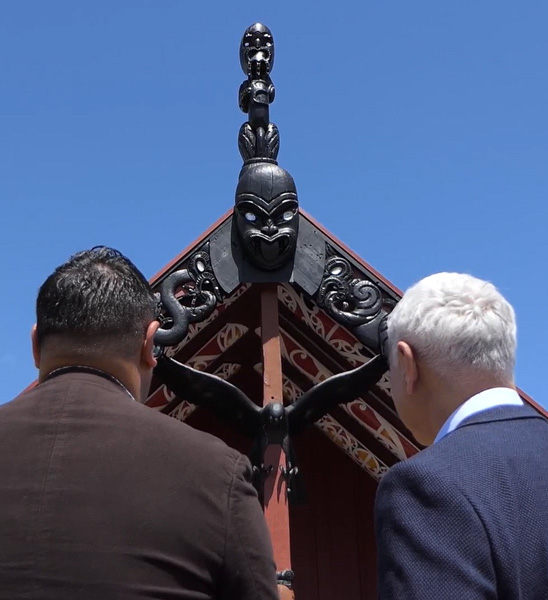
The leading cause of negative wellbeing is business financial challenges and cash flow, with 24% of Māori business leaders who have been feeling less mentally healthy than usual in the last six months saying business financial performance and cash flow problems are driving this.
89% of Māori business leaders say collaboration and partnering with others is important to them in their business – offering a compelling path for addressing the issues across each of our four survey themes:
“The most important step which Māori business leaders can take in facing into our report themes is to draw on the trusted support they have around them, finding pathways to collaboration. From seeking out professional expertise in their sector, to drawing on Māori accountants or advisors, connecting with AI and climate experts, and leaning into whanau support networks - we’ll always be stronger together.” – Solomon Dalton, BDO National Māori Business Sector Leader.
A range of practical business tips to help Māori business leaders navigate business performance challenges are available in our library of practical business tohutohu (tips).



Solomon Dalton